 All the Pretty Little Ponies
 Chestnut
This week, we are looking at a color that is the opposite of black – chestnut. A chestnut has only red pigment in their hair, absolutely no black. There is, however, a huge variety in shades. Chestnuts can be so light that they look palomino and so dark that they are nearly indistinguishable from black.
Chestnut is the most recessive horse color. You can think of it as being caused by one gene. It doesn’t take a combination of genes acting upon one another to create the color. This is why two chestnut horses will always produce a Chestnut. Breeds like the Haflinger and Suffolk Punch will never have a crop out because every horse in that breed is chestnut, meaning that other colors in those breeds are not possible.
However dark or light, a chestnut horse will always have a reddish brown body. Sometimes the lower legs and face can be a slightly lighter shade. The mane and tail are the same shade as the body, possibly a couple shades darker, or lighter. The lighter mane and tail can be one or two shades of difference, or they can go all the way to white. This lighter hair is known as flaxen.
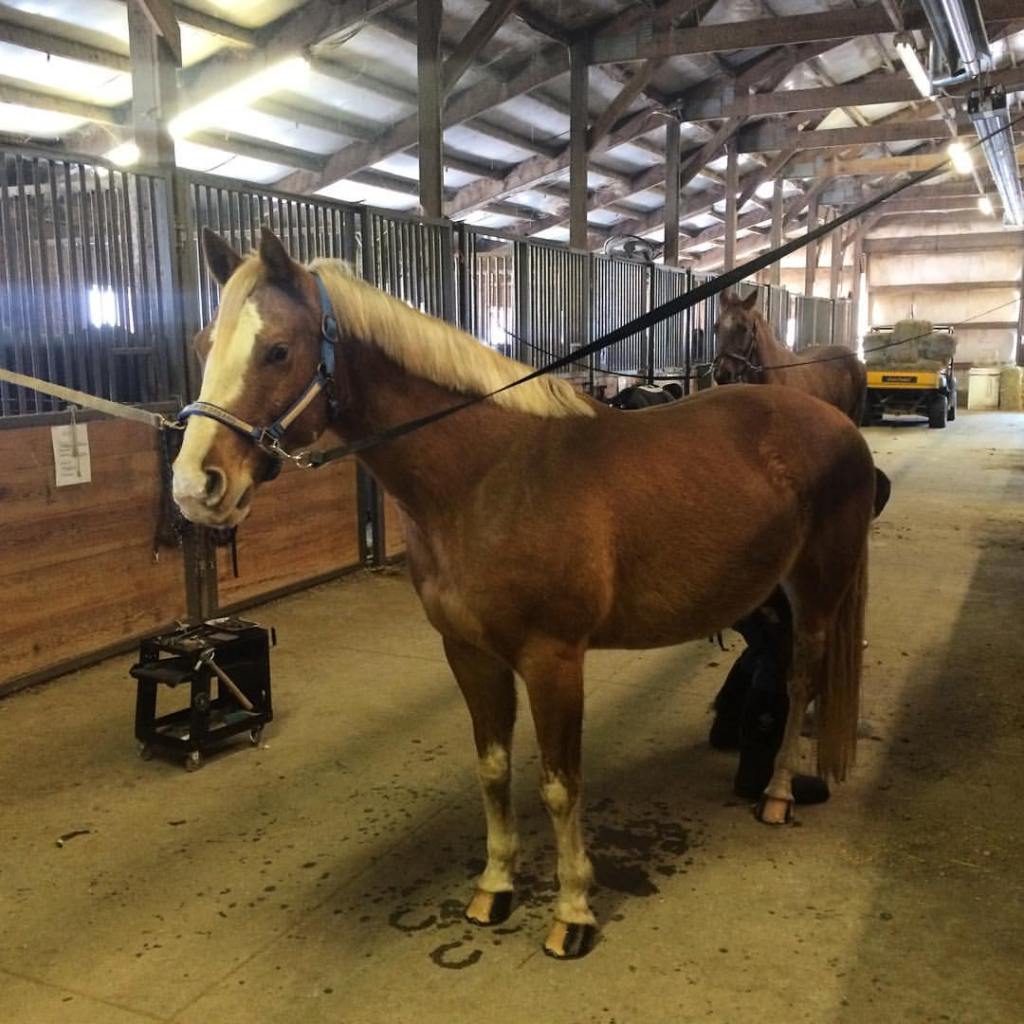
We currently have one redhead in our program — the aptly named Ruby.
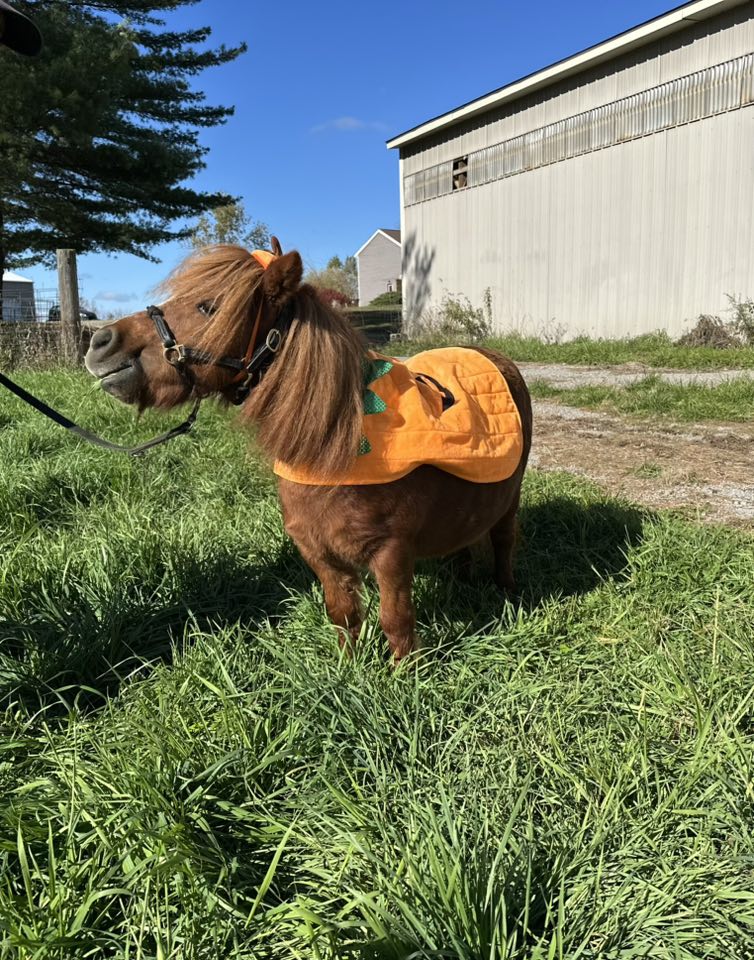
Ruby is a shade of chestnut often referred to in the United States, especially amongst stockhorse enthusiasts, as sorrel. A sorrel horse is a uniform shade of bright, reddish brown. As you can see, Ruby is chestnut with a bit of flaxen but no mealiness, leaving her body a uniform color. In draft horses, particularly in Europe, sorrel often refers to a horse that is light brown with both mealiness and flaxen. You will also hear this shade of chestnut referred to as Belgian blonde, because nearly every Belgian draft horse is this color.
A really dark shade of chestnut, often seen in the Morgan Horse, is called liver chestnut.
The mechanism behind all of these different shades is not yet known. No matter what shade they are, a chestnut horse will test as chestnut. Just looking at genetic information, you cannot tell what shape they are.
Sometimes, if the pigment is extremely concentrated, a chestnut horse may appear to have black on them. Remember though, that is not possible. If you look closely, you’ll be able to tell that it is actually just very concentrated red. This is why you may sometimes hear Chestnut horses referred to as red, because genetically speaking, they can only produce red pigment.
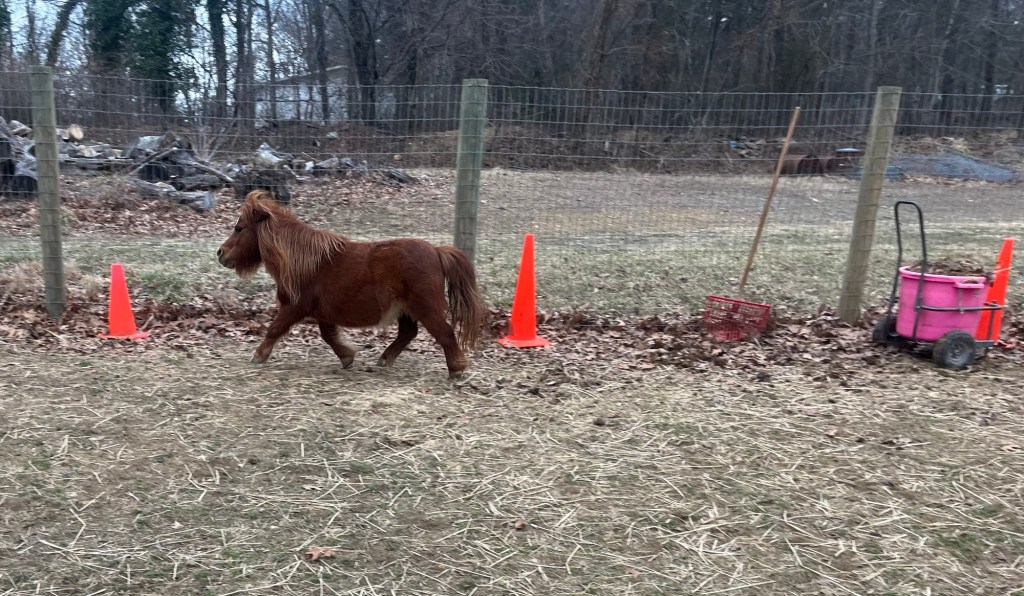
Image descriptions: the header image is of Ruby, our stout chestnut mini horse, trotting happily through her paddock.
 Cheval Assistants and Leaders for Independence
Leave a comment